The journey of gambling through history an exploration of its evolution
The Origins of Gambling
The history of gambling dates back thousands of years, with evidence found in ancient civilizations such as China and Mesopotamia. Archaeologists have discovered gaming artifacts, including dice made from animal bones, which suggest that people engaged in games of chance for entertainment and social interaction. In these early societies, gambling often had spiritual significance, intertwining with rituals and belief systems, reflecting the human inclination to seek luck and fortune.

The earliest known form of gambling can be traced to the Chinese around 2300 BC, where rudimentary betting games were played using keno slips. Similarly, the ancient Egyptians participated in various games of chance, with dice being a common feature. These activities laid the groundwork for more sophisticated gambling systems and casino establishments that would develop in subsequent centuries, illustrating a deep-rooted tradition of chance in human culture.
As civilizations progressed, so did the complexity of gambling activities. The Greeks and Romans incorporated gambling into their culture, with games like dice and betting on chariot races becoming immensely popular. Roman laws even regulated gambling, reflecting its prevalence in society. Thus, the early foundations of gambling set the stage for its evolution into organized forms that would emerge in the Middle Ages and beyond.
The Rise of Casinos in the Middle Ages
During the Middle Ages, gambling evolved significantly, leading to the establishment of the first organized casinos in Europe. The term “casa” in Italian refers to a house where games of chance were played, and by the 17th century, these establishments were becoming popular in Italy. The Casino di Venezia, opened in 1638, is recognized as one of the oldest gaming houses in the world, indicating the growing acceptance of gambling as a legitimate form of entertainment.
Casinos began to thrive in urban centers, offering various games such as faro and roulette, which became staples in these establishments. As gambling became more mainstream, it attracted a diverse clientele, including nobility and wealthy merchants, fostering an atmosphere of high stakes and social competition. This period marked the transition of gambling from informal gatherings to structured venues, highlighting the economic and social dynamics surrounding the activity.
The influence of casinos expanded beyond Europe, reaching other parts of the world as trade and exploration flourished. The introduction of gambling to the Americas during the colonial era further contributed to its evolution. The combination of European gaming traditions with local customs led to the creation of unique gambling experiences, paving the way for the modern casino industry that we know today.
The Modern Casino Era
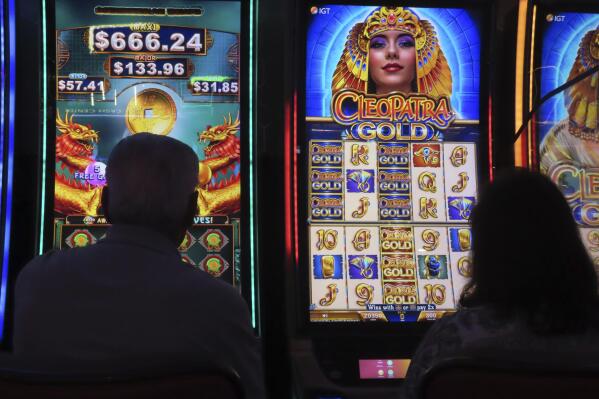
The 19th and 20th centuries heralded the modern casino era, characterized by the establishment of iconic gaming destinations, particularly in Las Vegas and Monte Carlo. These cities transformed gambling into a lavish experience, combining entertainment, luxury, and high-stakes gaming. The advent of technologies such as slot machines revolutionized the gambling landscape, making it accessible to a broader audience and enhancing the thrill of the gaming experience.
Las Vegas emerged as a gambling mecca in the mid-20th century, with grand casinos offering not only gaming but also extravagant shows and accommodations. The introduction of the Las Vegas Strip redefined the casino experience, creating a vibrant atmosphere where visitors could immerse themselves in a world of chance and excitement. This era solidified gambling’s place in popular culture, with movies and literature often romanticizing the allure of high-stakes gaming.
Simultaneously, the global perspective on gambling began to shift, with various countries re-evaluating their regulations. Governments recognized the potential economic benefits of legalized gambling, leading to the rise of state-sponsored lotteries and regulated casino industries. This evolution reflected a broader acceptance of gambling as a legitimate form of entertainment, contributing to its growth and diversification worldwide.
The Digital Transformation of Gambling
The advent of the internet marked a transformative period in the history of gambling, leading to the rise of online casinos and digital betting platforms. The 1990s saw the launch of the first online casinos, offering players the convenience of accessing their favorite games from home. This digital revolution made gambling more accessible than ever, appealing to a global audience and reshaping how people engaged with games of chance.
Online gambling platforms have evolved significantly, incorporating advanced technologies such as live dealer games, mobile gaming, and virtual reality experiences. These innovations have enhanced the immersive quality of online gambling, allowing players to enjoy the thrill of a casino environment from the comfort of their living rooms. Additionally, the ability to offer a wide variety of games has attracted a diverse player base, contributing to the rapid growth of the online gambling industry.
Regulation has also adapted to this digital landscape, with many countries implementing laws to ensure player protection and responsible gaming. As online gambling continues to expand, it has sparked discussions about its impact on traditional casinos, with many physical establishments integrating online components to remain competitive. This convergence reflects the dynamic nature of gambling as it continues to evolve in response to technological advancements and changing consumer preferences.
Exploring Kiwis Treasure Casino
Kiwis Treasure Casino exemplifies the modern evolution of gambling, offering a premier online gaming experience tailored to players in New Zealand. With a vast selection of over 1,200 games, including engaging pokies and live dealer options, the casino caters to diverse preferences, ensuring an entertaining experience for all players. The platform’s user-friendly interface and fast NZD withdrawals enhance the overall gaming experience, making it accessible and enjoyable. Moreover, kiwistreasurecasino-nz.com presents new users with attractive bonuses and promotions that keep things exciting.
New players can benefit from enticing welcome bonuses, such as up to NZ$1,000 and 250 free spins, making it easy to dive into the exciting world of online gambling. This not only incentivizes new users but also fosters a sense of community among players, as they embark on their gaming journeys together. Kiwis Treasure Casino is committed to providing a safe and secure environment, operating under the regulations of the Alderney Gambling Control Commission.
As the gambling landscape continues to evolve, Kiwis Treasure Casino represents a significant development in the industry, showcasing the intersection of innovation and tradition. The platform embodies the excitement of high-stakes gaming while maintaining a focus on player security and responsible gaming practices, ensuring a comprehensive and rewarding experience for both new and experienced players alike.

Bir Cevap Yazın